
Hearing Protection Standard
Hearing protection is a crucial aspect of PPE, and the Control of Noise at Work Regulations 2005 require employers to prevent or reduce risks to safety from noise.
The regulations state that there is a lower exposure action value and an upper exposure action value, which require employers to take action.
- 80dB daily/weekly average exposure: the lower exposure action value has been met. Workers should be given information and training, and hearing protection should be made available.
- 85dB daily/weekly average exposure: the upper exposure action value has been met. Not only should information and training be provided, but hearing protection must be made mandatory for workers.
- 87dB: daily/weekly average exposure to noise should not exceed this limit.
EN 352
All UK hearing protection must comply with EN 352 standards and fall within one of the 8 classes listed below:
- EN 352-1 Earmuffs
- EN 352-2 Ear plugs
- EN 352-3 Helmet mounted earmuffs
- EN 352-4 Level dependent earmuffs
- EN 352-5 Active noise reduction earmuffs
- EN 352-6 Earmuffs with electrical audio
- EN 352-7 Level dependent ear plugs
- EN 352-8 Entertainment audio earmuffs
Single Number Rating (SNR)
Each form of hearing protection will specify an SNR figure. This stands for Single Number Rating and tells you the level of noise reduction the product provides.
As a guide, we recommend the SNR ratings below depending on the average workplace decibel exposure:
- 85dB workplace exposure = 10–15 SNR
- 90dB workplace exposure = 15–20 SNR
- 95dB workplace exposure = 20–25 SNR
- 100dB workplace exposure = 25–30 SNR
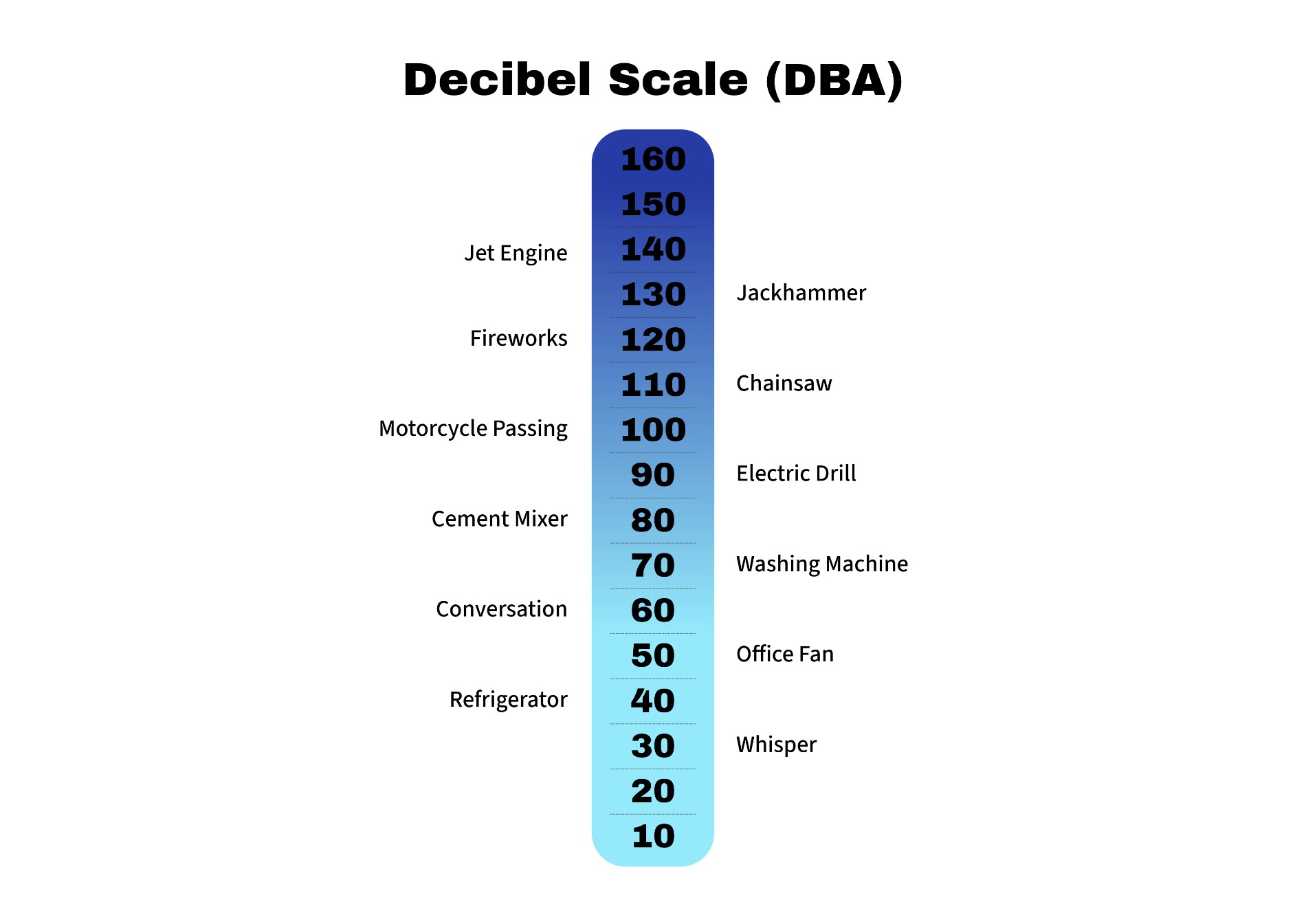
This guide is for example use only and should not be used in place of an adequate noise risk assessment.
We advise against using hearing protection that reduces the noise level at the ear to lower than 70dB, as this can isolate the wearer and lead to safety warnings being missed.
Hearing protection is only effective when used and worn correctly.