
High Visibility Safety Standards
High visibility garments help to visually signal a wearer’s presence in safety risk areas and low light working conditions.
Millions of UK workers wear high visibility garments every day. Our simple guide below is here to help you understand what safety standards you should be meeting to keep safe.
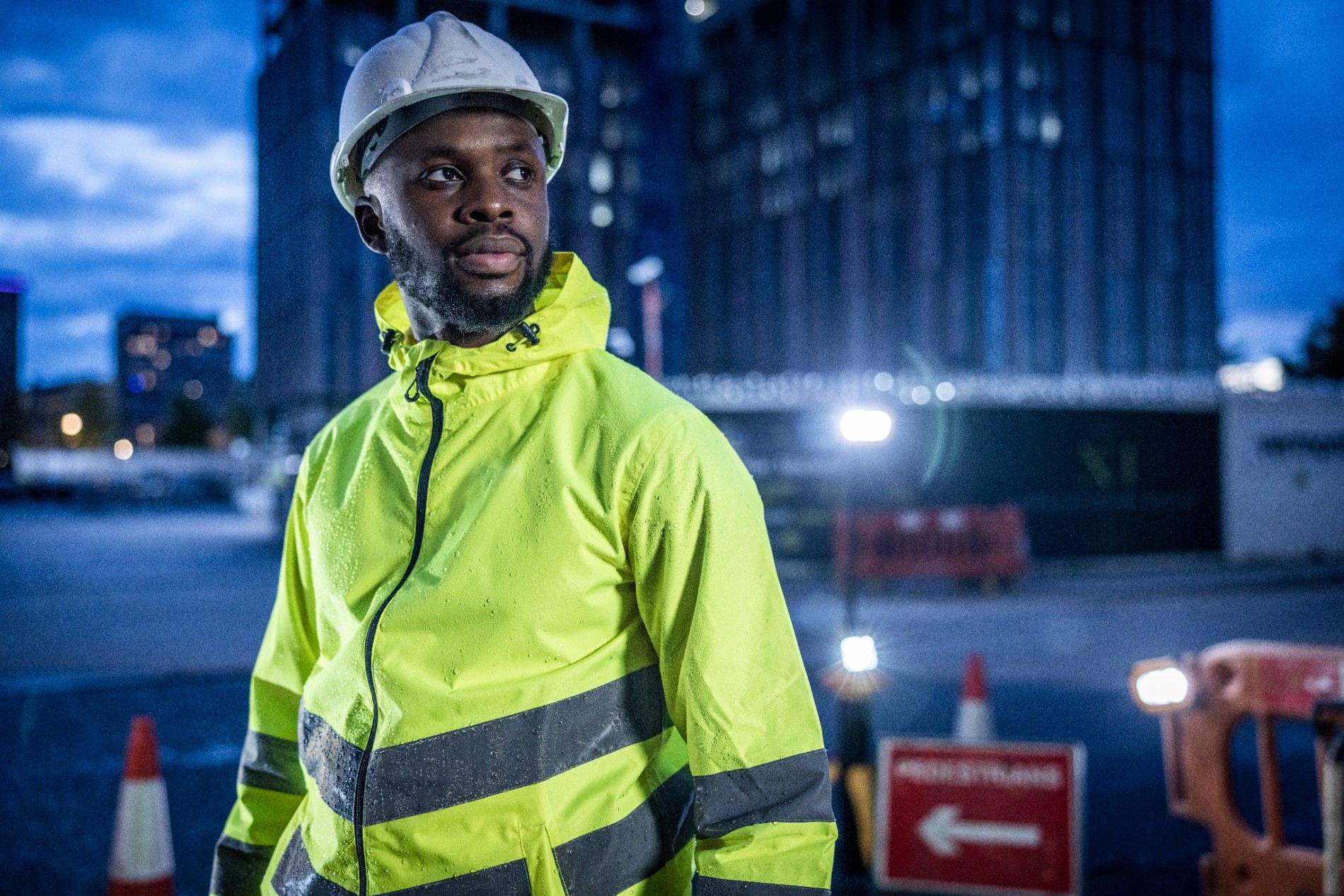
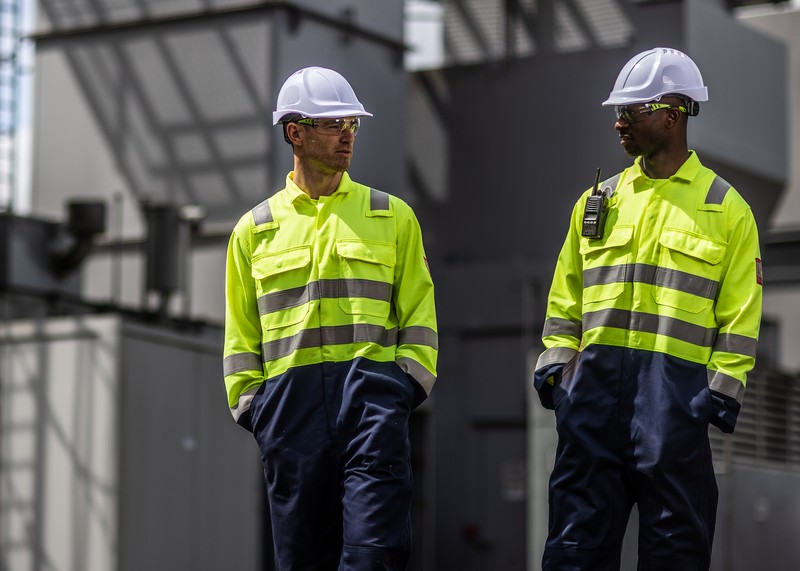
EN ISO 20471
EN ISO 20471 is the international standard that specifies requirements for high visibility garments including everyday work vests, jackets, trousers, t-shirts and coveralls.
EN ISO 20471 has three classes which provide different levels of conspicuity in daylight and darkness. The three classes are determined by the amount of fluorescent material used and the volume of reflective tape incorporated into the garment.
Class 1
The minimum level of protection, required in mostly private risk areas. To meet this class the garment must have a minimum of 0.14m² of fluorescent material and must incorporate 0.10m² of retro-reflective material, which is equal to 2m of 5cm wide tape.
Who should wear class 1?
- Warehouse operatives
- Office workers
- Event organisers
- Indoor logistics staff
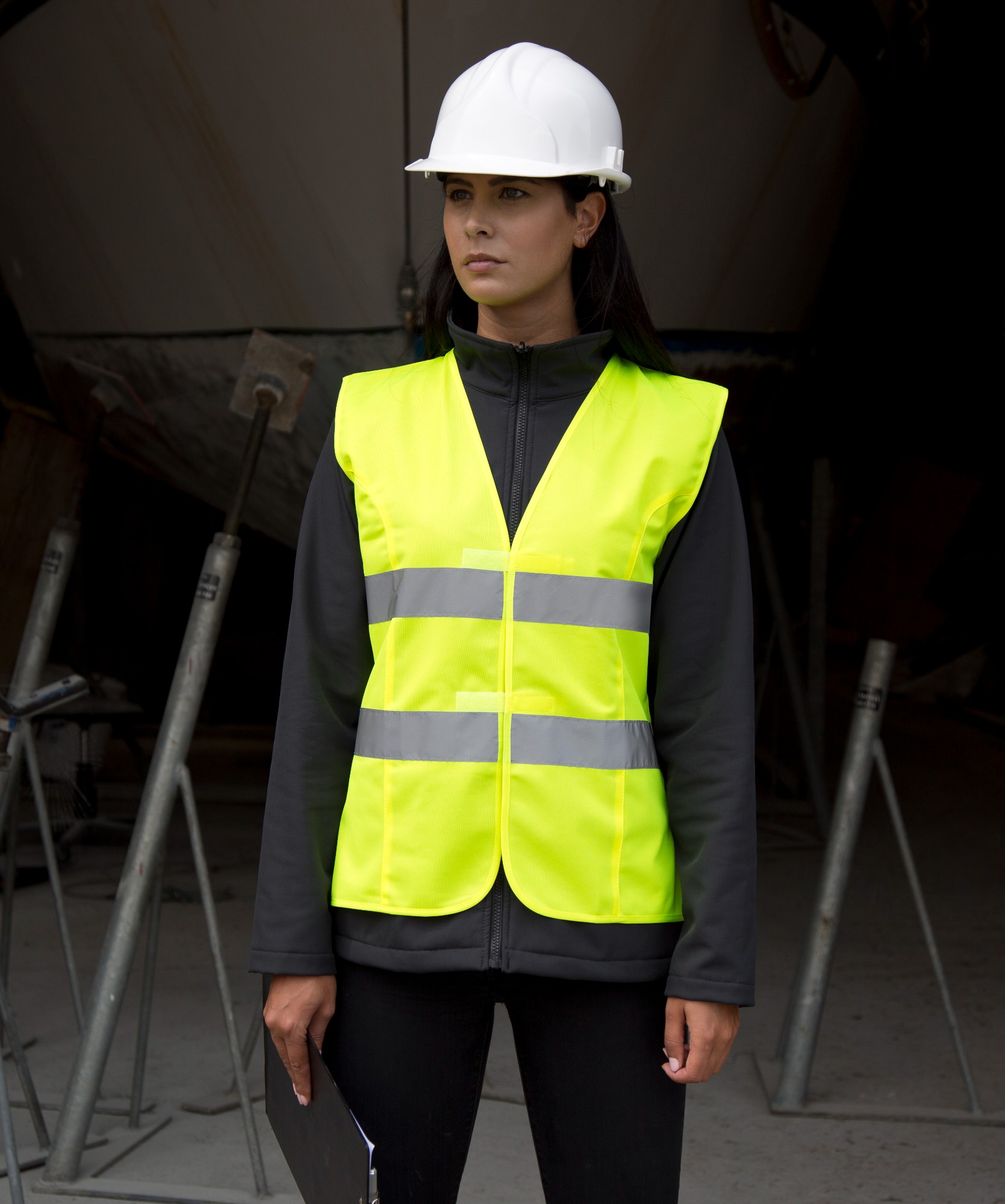
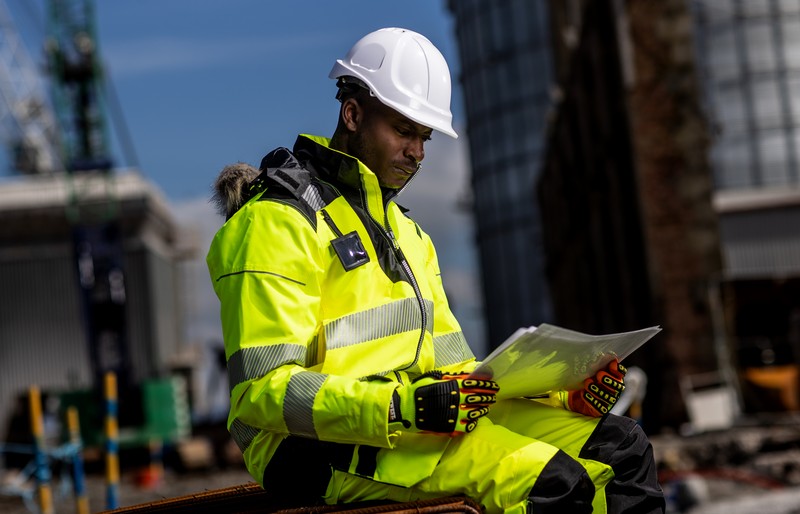
Class 2
An intermediate level of protection, required for higher risk areas and basic roadside working. To meet class 2, garments must have a minimum of 0.50m² of fluorescent material and must incorporate 0.13m² of retro-reflective material, which is equal to 2.60m of 5cm wide tape.
Who should wear class 2?
- Construction workers
- Delivery drivers
- Parking wardens
- Security stewards
Class 3
The highest level of protection, required in safety risk areas including airports and major roads. To meet this class the garment must have a minimum of 0.80m² of fluorescent material and must incorporate 0.20m² of retro-reflective material, which is equal to 4m of 5cm wide tape.
Who should wear class 3?
- Highway maintenance
- Rail workers
- Traffic management
- Airport operatives
Colour Variations
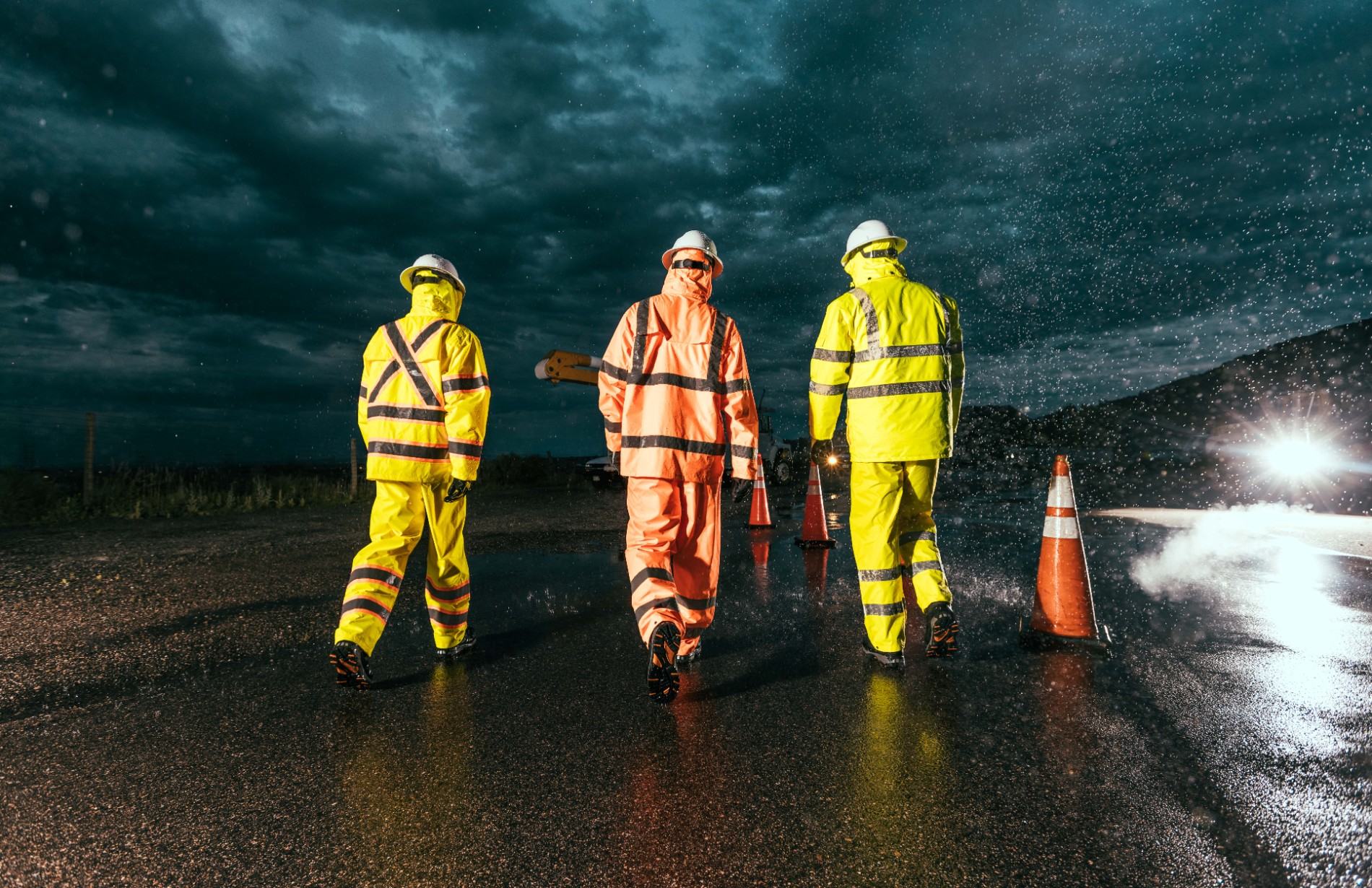
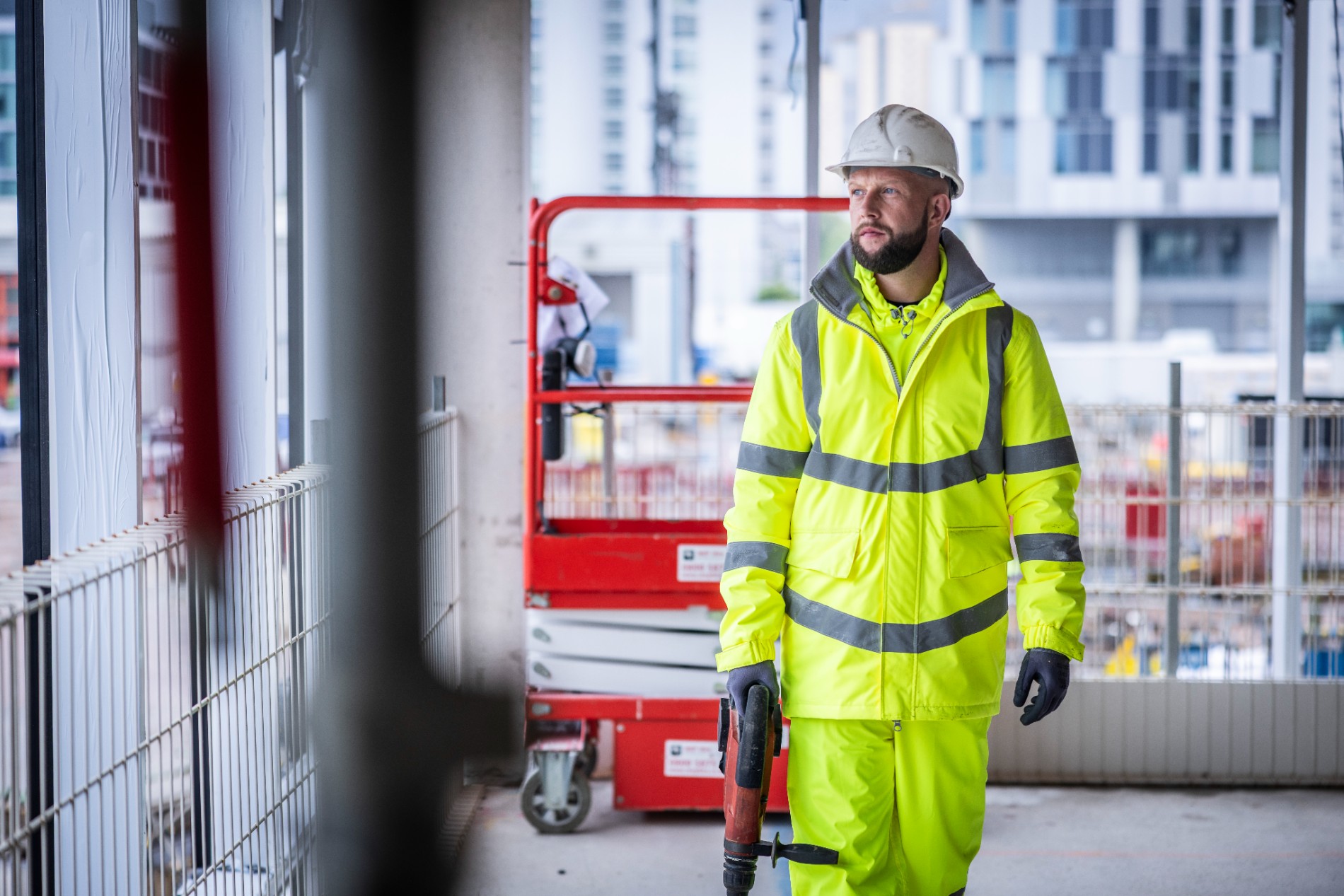
Although colour does not directly determine the EN ISO 20471 class, the primary fluorescent colours are yellow and orange. If your workplace needs to visually separate workers through coloured garments, you should choose colours which have a high visual contrast against your working environment.
For example:
- If you work in urban construction, we recommend yellow to contrast against the greys and blacks of concrete and metal.
- If you work in an office environment, we recommend bold colours such as red or blue to contrast the neutral greys, beige and white of desks and décor.
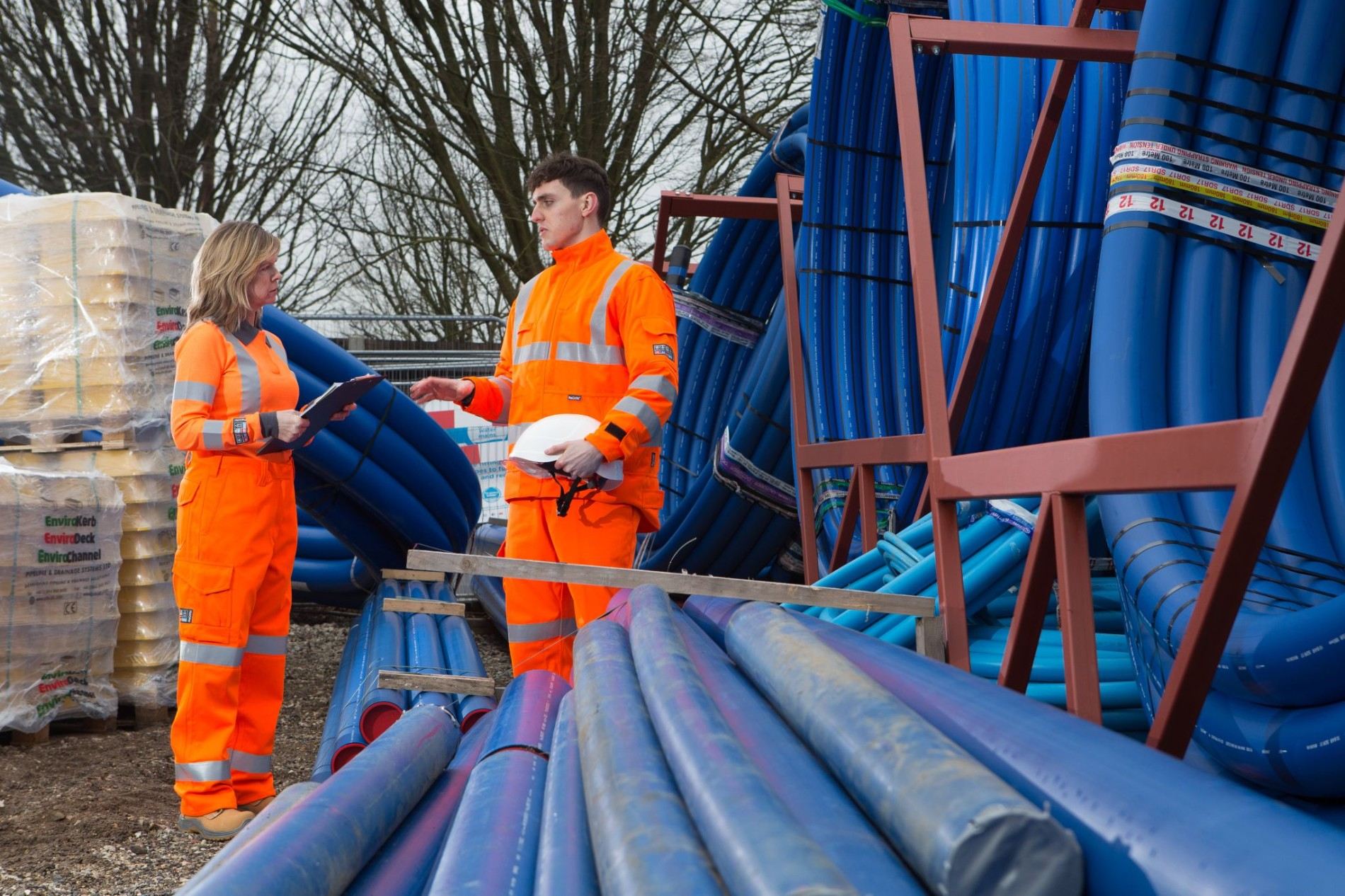
- If you work in rural areas, we recommend orange to contrast against green vegetation and dark brown earthworks.
Industry Specific Requirements
It is also important to note that some industries have their own requirements and ratings which are only met by specific colours. For example, if you work in the rail industry your high visibility garments must meet RIS 3279 TOM, and this standard can only be met by orange.
Keeping You Seen and Safe
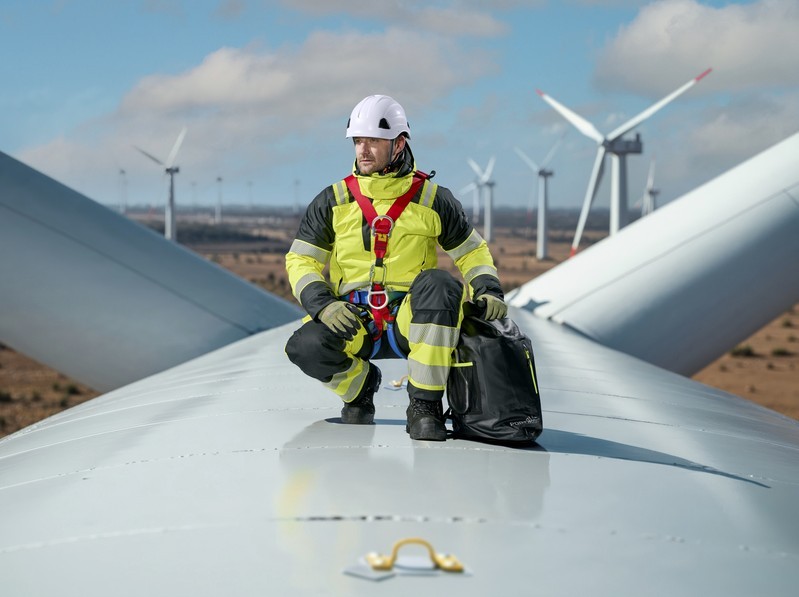
We supply thousands of high visibility garments and accessories from big brands such as Regatta, Portwest, Supertouch, Leo, ProRTX, Bee Swift and Yoko to keep you seen and safe.